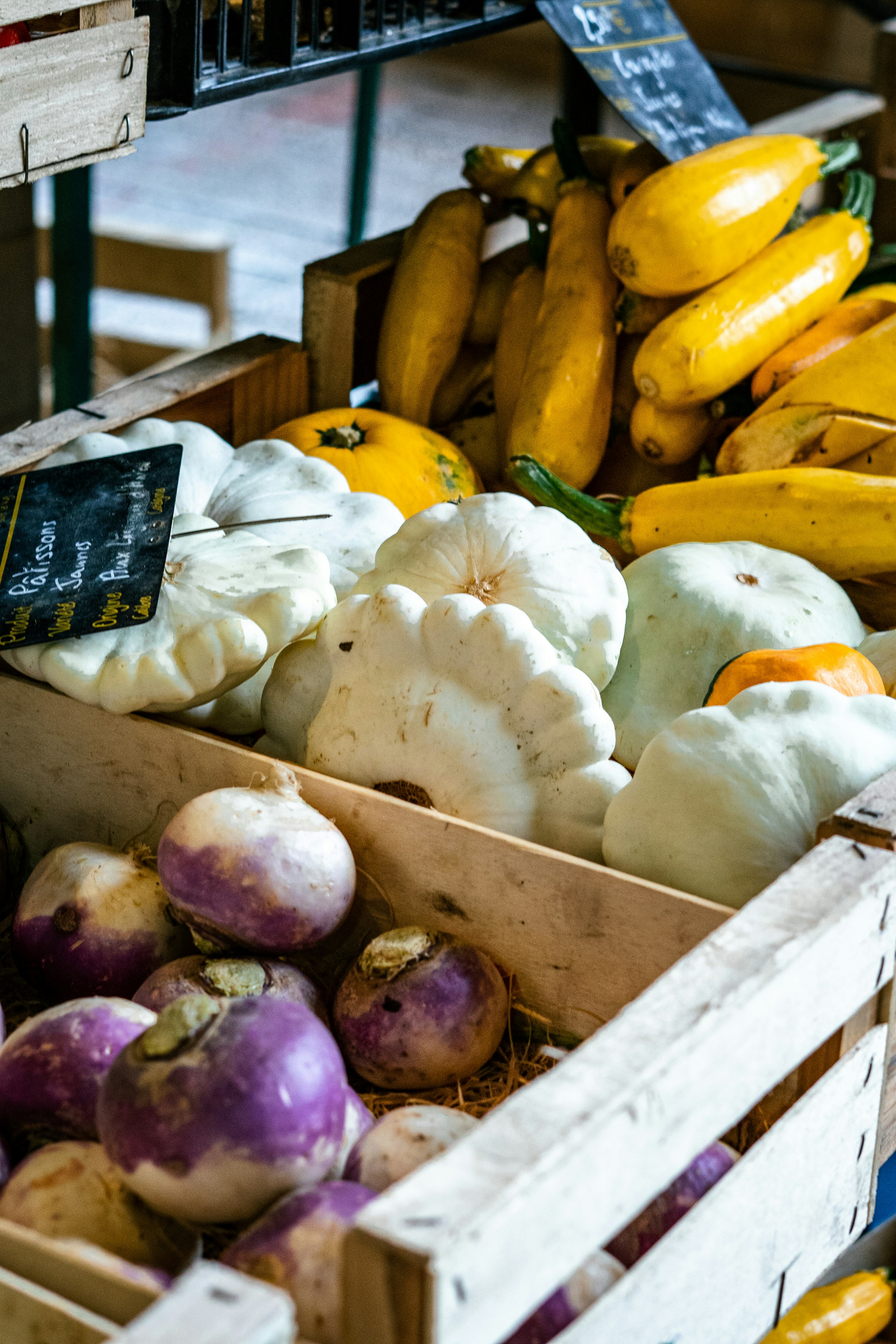
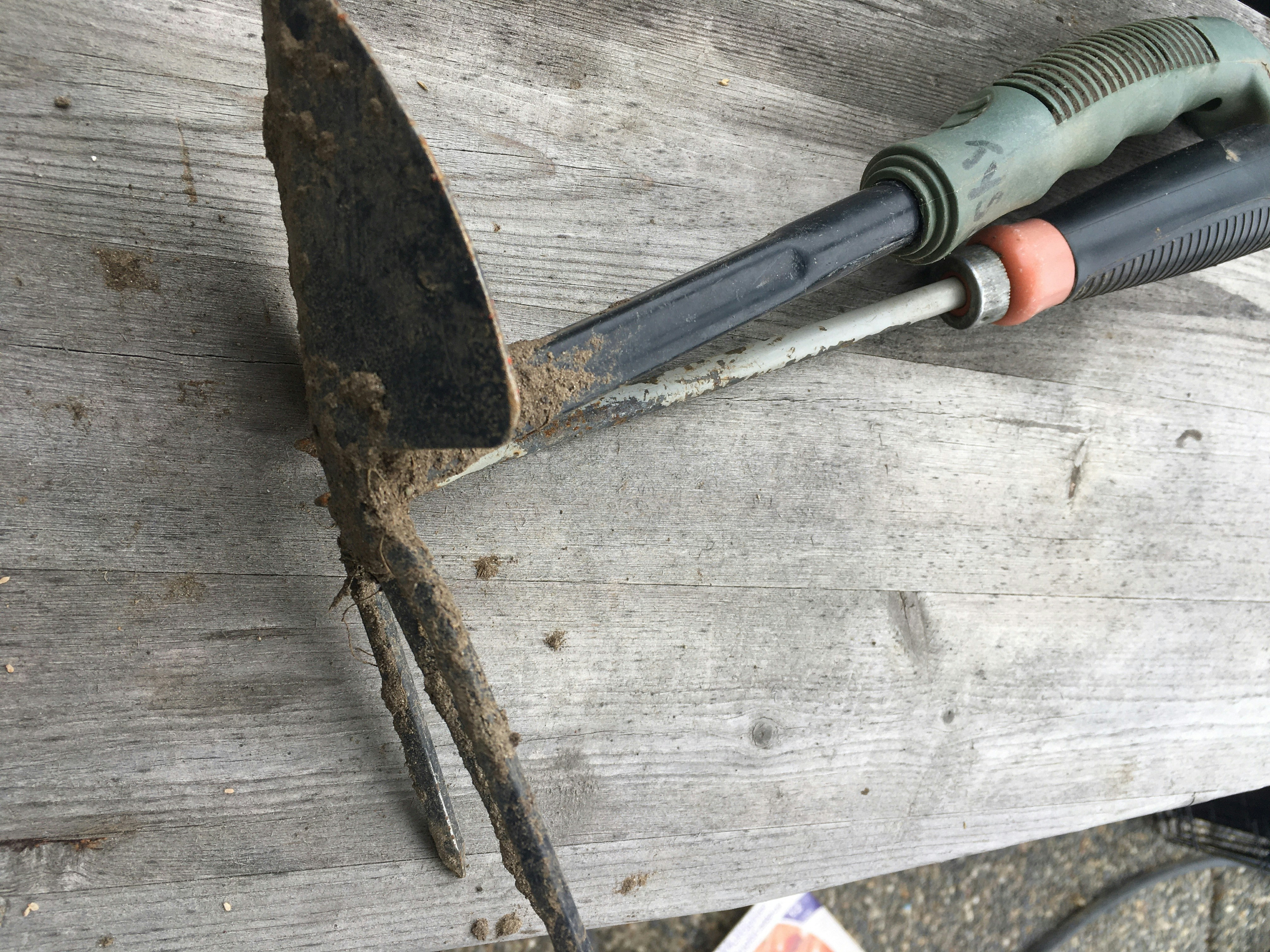
Weathered wooden workbench with a trowel resting on an open field guide, scattered soil crumbles across hand-drawn planting charts, morning light raking from the left
A Digital Almanac

Grow what yourgrandmother knewby heart.

Field-tested growing wisdom from calloused hands and crop journals — translated into illustrated guides for the half-acre dream, the second career, and the science classroom.

The Origin Story

From bare dirt to a living wall of knowledge.

Every card below is a chapter. Scroll slowly — the story builds from failure to abundance, one pinned moment at a time.
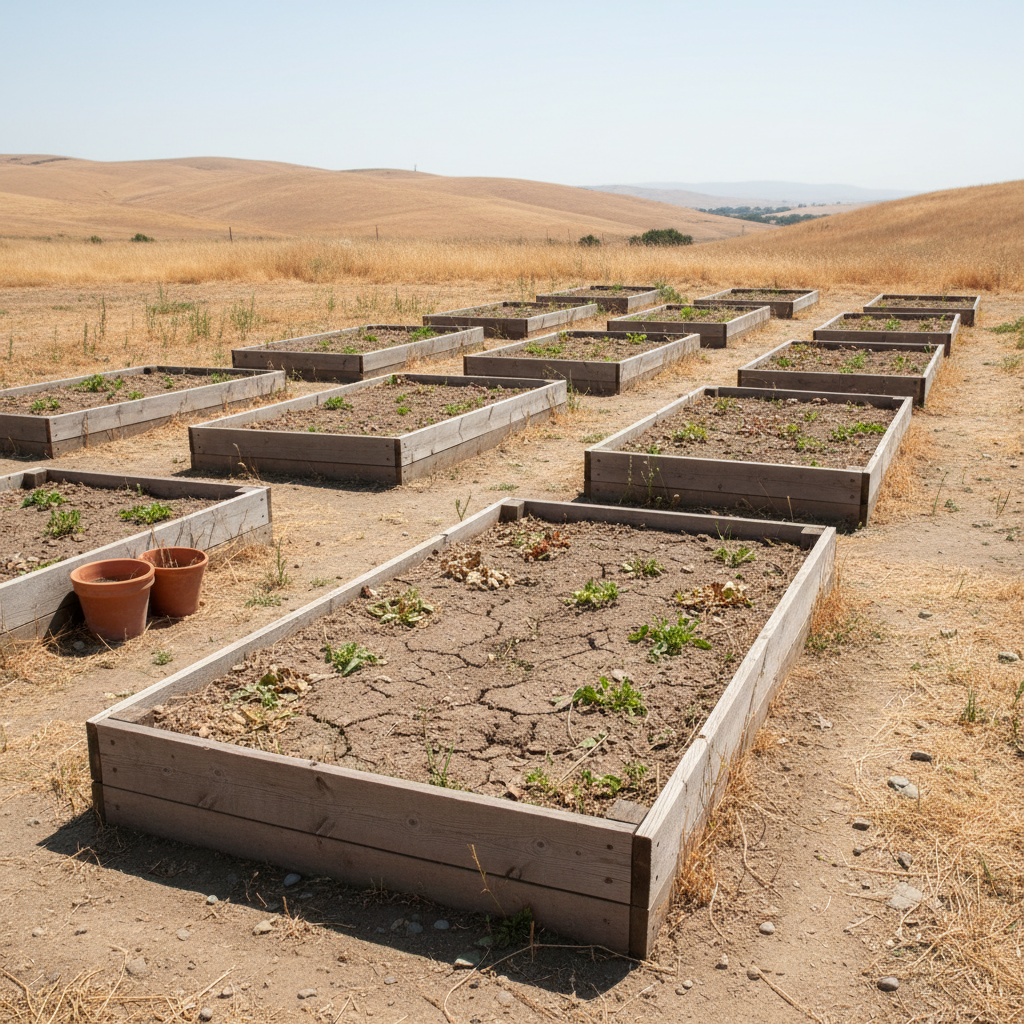
Wilted seedlings in cracked dry soil, a failed first garden attempt with honest imperfection
Year One

The Failed First Garden

Forty-two dollars of heirloom seeds. One hand-me-down trowel. Zero harvests.

Soil Basics

Your soil is alive.

Before you plant a single seed, dig a hole the size of your fist. Fill it with water. If it drains in under an hour, you have decent drainage. If it sits for three hours, you're gardening in a bathtub. Amend with compost before anything else.
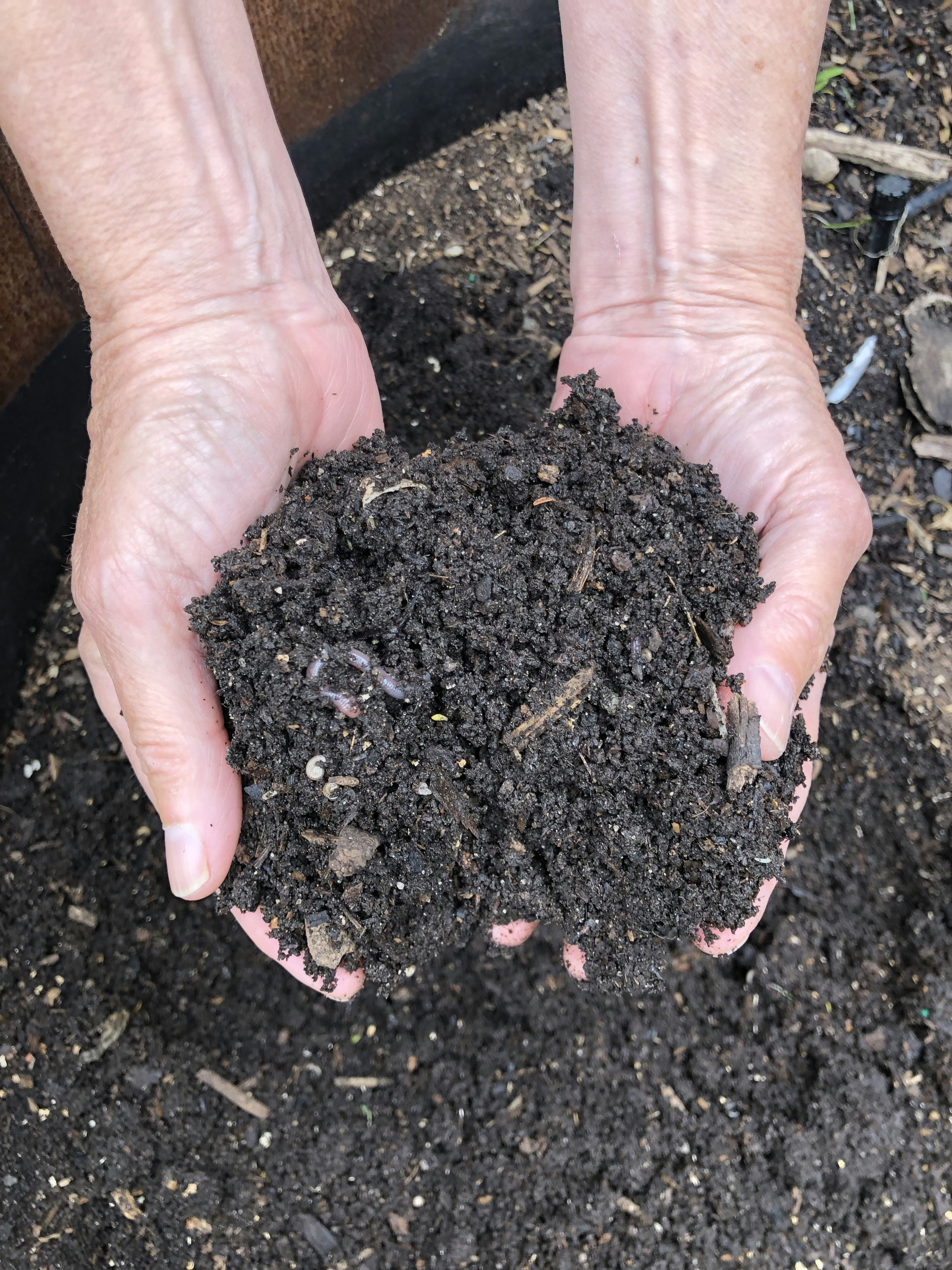
Close-up of hands holding dark rich compost soil, showing texture and organic matter
Lesson Learned

Compost is the answer to most questions.

"

The garden is the closest thing to a time machine we have. Plant in spring, and autumn will tell you everything you got right — and wrong.

— Margaret Osei-Bonsu, Extension Agent, 34 years
The Notebook

I started keeping a crop journal.

Not a pretty one — a spiral notebook from the dollar store. Date, weather, what went in the ground, what came up. Three seasons later, that battered notebook became the backbone of everything on this site.

Open spiral notebook with handwritten planting dates and sketched row diagrams, pencil resting on page
Method

The crop journal method.

Growing Tip

Succession planting changes everything.

Instead of planting all your lettuce at once, sow a short row every two weeks from late March through May. You'll harvest continuously from May to July instead of drowning in lettuce for one frantic week.
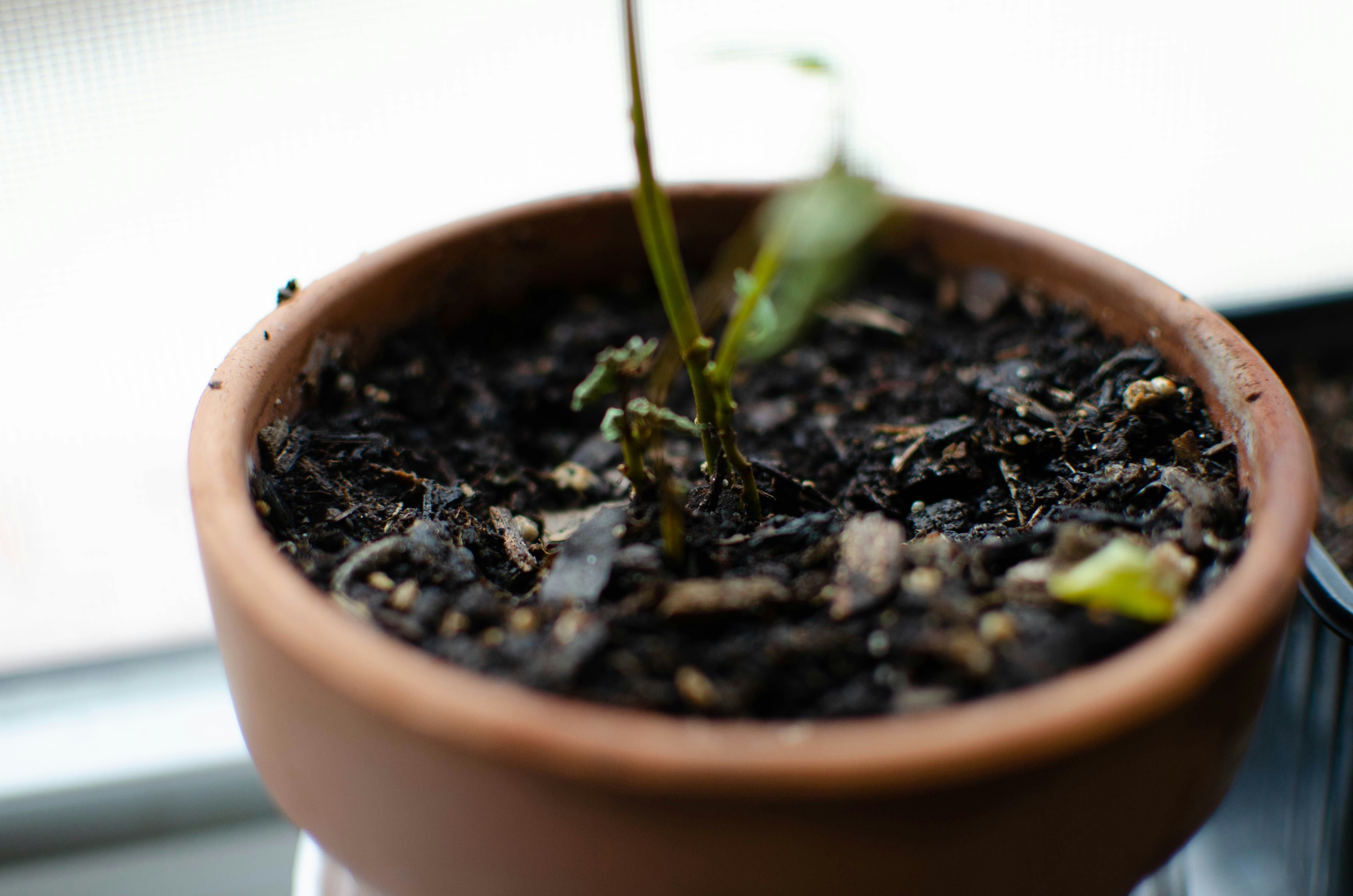
Terracotta pot with a single seedling just breaking the soil surface, morning light on the rim
Breakthrough

First seedling. Year two.

Different soil. Same seeds. One small act of soil amendment and everything changed.
The Teachers

Knowledge borrowed frompeople who know the land.

Every guide on this site was reviewed by at least one of these three people before it was published.

Portrait of Dorothy Acheampong, extension agent with warm smile and gardening gloves
Cover Crops & Soil Health

Dorothy Acheampong

Extension Agent·34 years in the field
"Never trust a garden book that doesn't have dirt on the cover."
Portrait of Earl Tran, third-generation farmer standing in his field at golden hour
Succession Planting & Water Management

Earl Tran

Third-Generation Farmer·Farming since 1971
"The moon calendar my father used still works. The NPK charts I got from the university also work. Use both."
Portrait of Dr. Priya Mehta, soil scientist holding a soil sample jar and smiling
Mycorrhizal Networks & Microbiome

Dr. Priya Mehta

Soil Scientist·Neighbor & collaborator
"A tablespoon of healthy soil contains more living organisms than there are people on Earth. Treat it accordingly."
Free Resource

The Seasonal Planting Guide— illustrated, annotated, and free.

A 24-page illustrated PDF covering what to plant, when to plant it, and how to read your soil before you spend a dollar on seeds. Hand-drawn diagrams included.

Zone-by-zone planting calendar
Soil drainage test instructions
Succession sowing charts
Companion planting guide

No spam. Unsubscribe anytime. Just growing wisdom, seasonally delivered.

The Harvest

From struggle to shared abundance.

Harvest shots, illustrated technique cards, and hand-annotated diagrams — the wall fills in as the knowledge accumulates.

Abundant harvest of heirloom tomatoes, summer squash and herbs in a wooden crate on farmhouse table
Late Summer

The first real harvest.

Year three. Forty-three pounds of tomatoes. More basil than we knew what to do with. The journal made it reproducible.

Illustrated Technique

How to read a seed packet

  1. 01.Days to maturity = days from transplant, not from seed
  2. 02.Sowing depth matters more than spacing for germination
  3. 03."Full sun" means 6+ hours of direct light, not "not shady"
  4. 04.Harvest window: pick the range, not the max
73%

of first-year gardeners cite wrong planting time as their primary failure.

The fix isn't more research. It's a zone-specific calendar and the discipline to follow it.

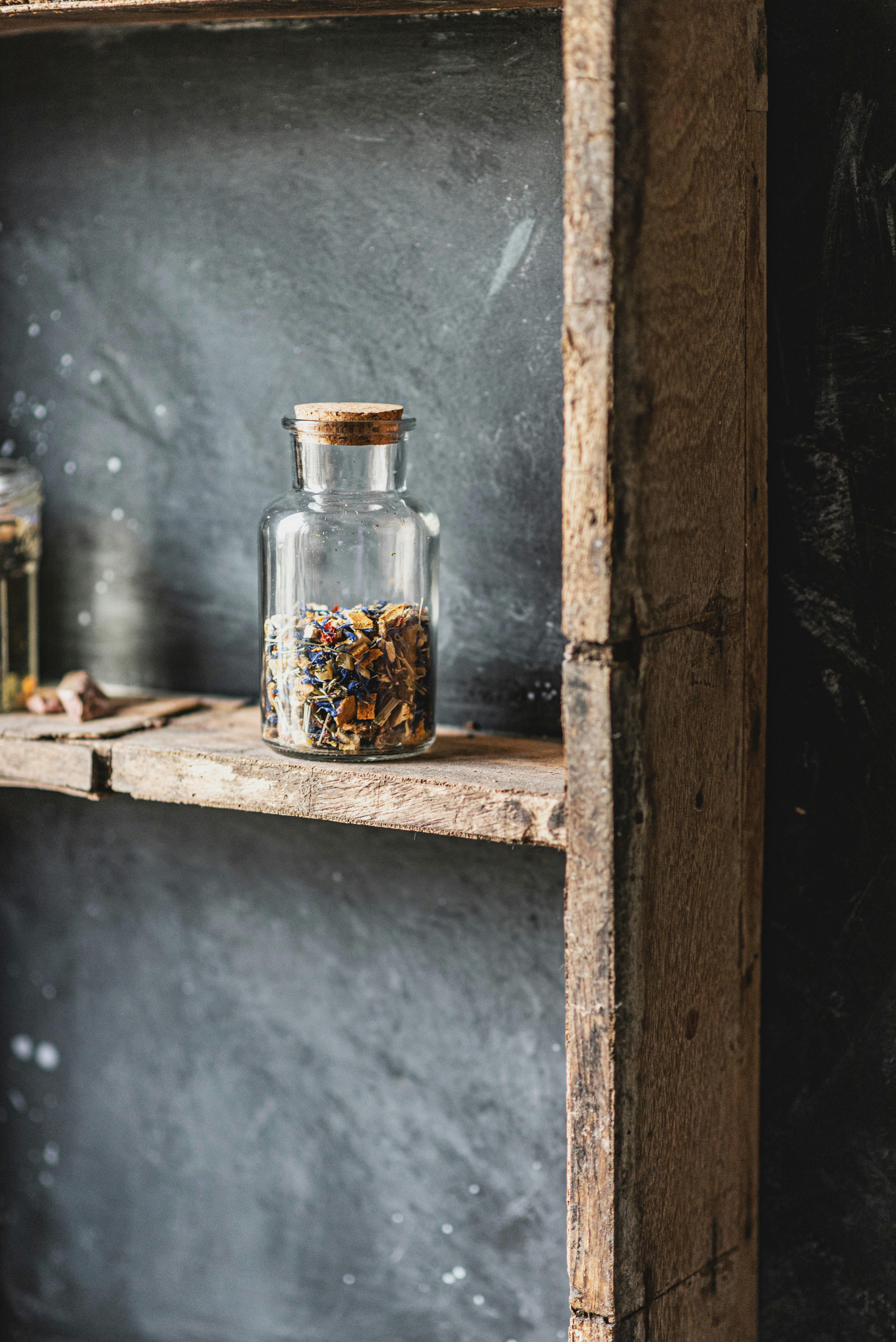
Rustic root cellar shelves lined with preserved jars, dried herbs hanging from wooden beams
Root Cellar

Storing what you grow.

CornBeansSquash
Annotated Diagram
Hand-Annotated

The three-sisters method

Corn provides structure. Beans fix nitrogen. Squash shades the soil. Plant them together and each does the other's work. Indigenous agricultural wisdom, 3,000 years proven.

"

By year four, I stopped looking things up. The garden had become my teacher.

— Furrow, field notes, October 2023
Deep Watering

Water less. Water deeper.

  1. 01.Shallow daily watering = shallow roots = drought vulnerability
  2. 02.Deep water 2x per week: let soil dry 2" between sessions
  3. 03.Finger test: insert to second knuckle — if dry, water now
  4. 04.Morning watering reduces fungal pressure by ~40%
Rural science classroom with students tending seedlings in pots on windowsill, teacher pointing at growth chart
The Classroom

When students grow things.

A science teacher in rural Montana used the three-sisters lesson plan. Her students grew 18 pounds of food in a single semester.

There are 60+ guides in the archive — and more added every season.

Get the Free Seasonal Planting Guide
Join the Potting Shed